

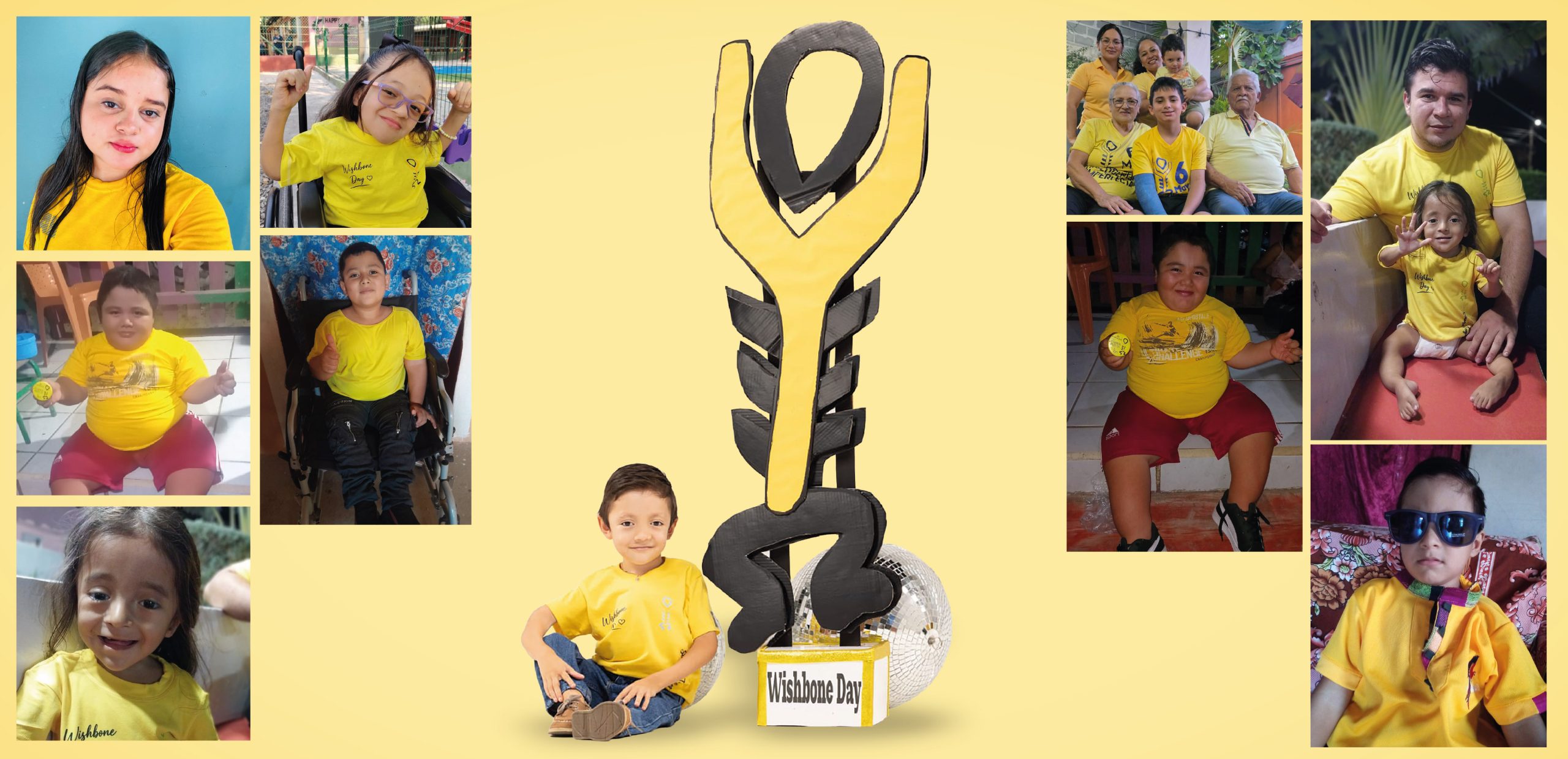
Osteogenesis Imperfecta (OI), often called brittle bone disease, is a rare genetic condition that affects the body’s ability to produce strong bones. Children born with OI have bones that can fracture easily, sometimes from minimal or no apparent cause. The condition can also affect growth, posture, muscle strength, and, in some cases, hearing and dental health.
There is no cure for OI, but there is treatment. With the right medical care, including medications, orthopedic interventions, and long-term follow-up, children with OI can experience less pain, fewer fractures, and greater mobility, opening the door to fuller, more independent lives.
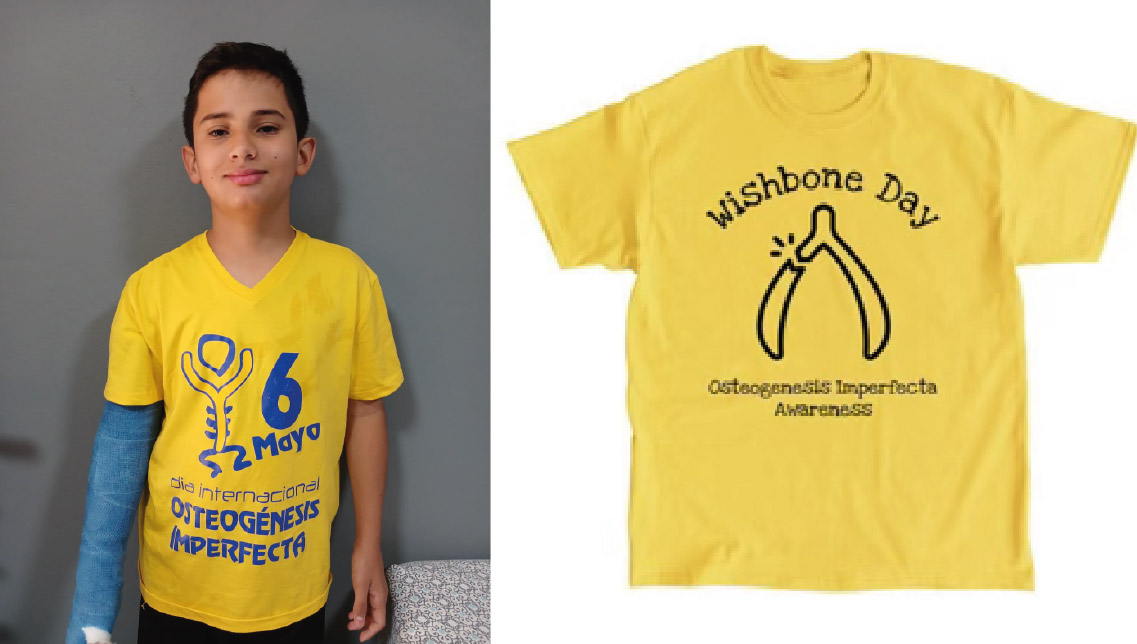
Yellow is the official color of the International Day of Osteogenesis Imperfecta. It represents positivity, optimism, and joy, an important reminder that even in the face of a lifelong condition, hope and resilience can shine brightly.
Building Access to Care in Honduras
In Honduras, the journey toward care for children with OI began with recognition.
Pediatric endocrinologist Dr. Lesby Espinoza identified signs of OI in her young patients and sought solutions beyond what was available locally. Her efforts led to the involvement of the Sun Life Foundation, which helped initiate access to treatment and laid the groundwork for what would become a growing, collaborative program.
Through these early efforts, children began receiving zoledronic acid, a medication that helps reduce fracture frequency and manage pain, an essential step in improving quality of life.
Today, World Pediatrics continues and expands this work, ensuring that children across Honduras not only receive treatment but are supported over time.
Reaching Children Across the Country
Children supported through the program now come from 17 of the 18 departments in Honduras.
Honduras is currently the only country in Central America offering specialized orthopedic surgery for children with OI, reflecting years of partnership and commitment to building local capacity.
Stories That Mark Progress
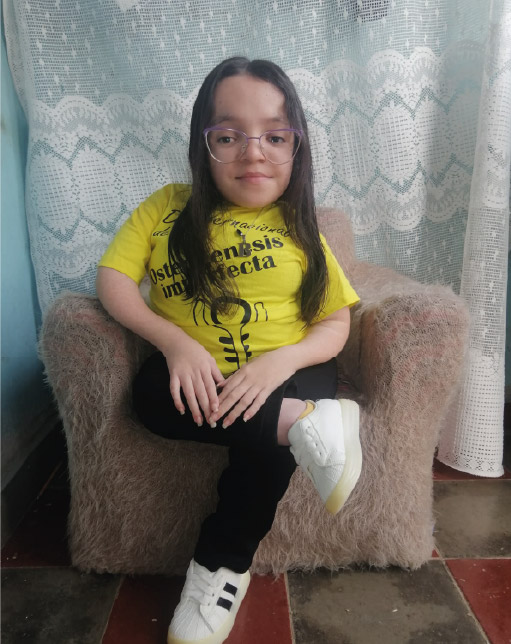
Britney Rodríguez, now 17, was among the first identified patients.
She became the first child in the program to receive orthopedic surgery abroad, traveling to Mexico for treatment of her lower limbs.
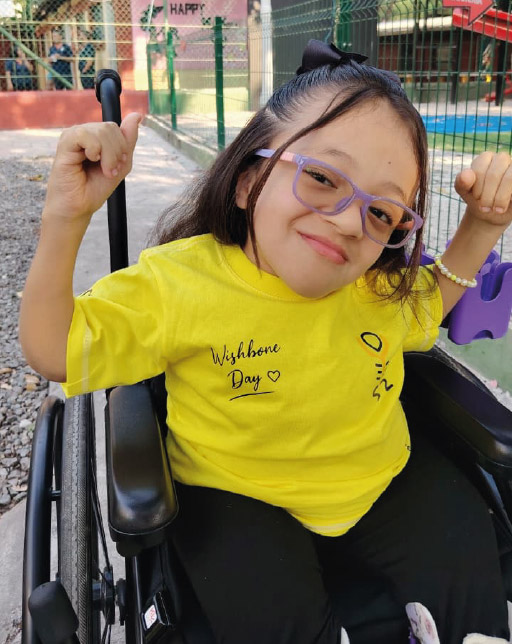
Elizabeth Raudales was also among the earliest patients identified. Living with Osteogenesis Imperfecta, she has endured more than 50 fractures throughout her life, a reflection of the daily reality many children with OI face when access to specialized care is limited.
Recently, through World Pediatrics, Elizabeth traveled to Shriners Children’s Philadelphia, where she received advanced orthopedic care.
For the first time, after years of fractures and limited mobility, Elizabeth was able to stand.
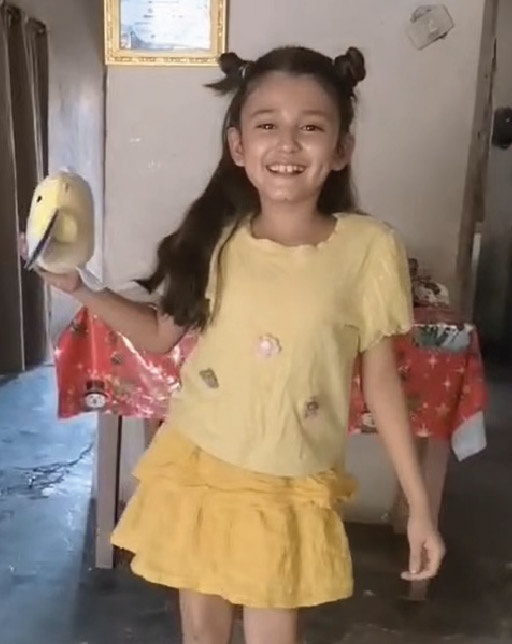
That reality began to shift with children like Kendra, who became the first child in Honduras to receive femur and tibia surgery locally. The procedure was performed by Dr. Alma Iris Castillo and Dr. Glenn. One year after her surgery, Kendra began to walk.
A Program That Continues Beyond Childhood
Today, nearly 60 patients are part of the OI program in Honduras. Some have already reached adulthood, yet their care continues.
Because OI is a lifelong condition, the need does not end when a child turns 18. World Pediatrics and its partners have remained committed to each patient’s journey, continuing treatment and follow-up care, including medication administration in the communities where patients live, often with the support of volunteer physicians.
From Treatment to Transformation
The work in Honduras reflects what is possible when early diagnosis, global partnerships, and local leadership come together.
It is about more than treating fractures.
It is about reducing pain.
It is about helping a child take their first steps.
It is about ensuring that geography does not determine access to care.
Through programs like this, World Pediatrics continues to move children from waiting to healing, building systems that last and expanding access so more children, in less time, can receive the care they deserve.